For many growing e-commerce and CPG brands, “the way we’ve always done it” is becoming the biggest bottleneck to scale. What started as a few team members handling kitting and assembly has evolved into a complex operation involving seasonal labor spikes, rising overhead, and the constant threat of shipping errors.
As margins tighten in 2026, operations and finance leaders are increasingly asking: Does it still make sense to keep assembly under our own roof? To answer that, you need to look beyond the surface-level shipping rates and dive into the true unit economics of in-house vs. outsourced models.
What Is a Kitting and Fulfillment Company?
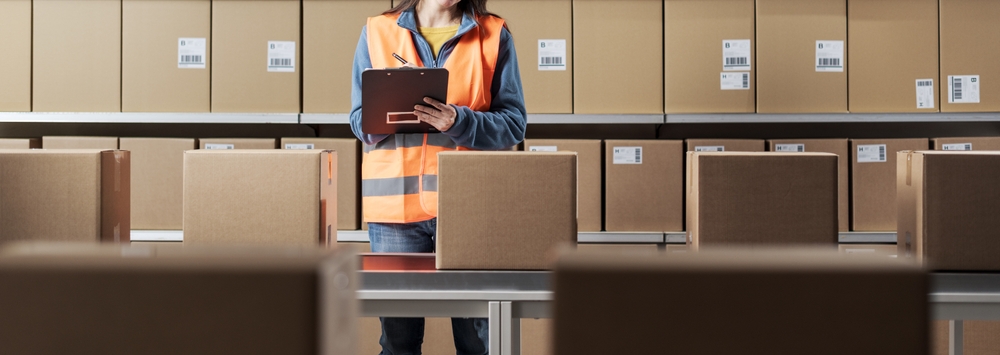
A kitting and fulfillment company is a specialized logistics partner that receives individual SKUs, assembles them into a single unit (a kit), and manages the storage and shipping of those finished goods to the end consumer or retailer.
Unlike a standard 3PL that focuses solely on “pick and pack,” a kitting partner specializes in the high-touch assembly and customization required for subscription boxes, promotional sets, and complex multi-item orders.
What Do 3PL Kitting Services Include?
At Complete Packaging Solutions, we provide more than a warehouse. Our turnkey solutions integrate design and execution under one roof.
- Kit Design and BOM Setup: Engineering the Bill of Materials for maximum efficiency.
- Custom Thermoformed Inserts: Designing and manufacturing the plastic trays that hold products securely.
- Assembly and Fulfillment for E-commerce: Professional hand-assembly or automated line-loading.
- Labeling and Compliance: Ensuring retail-ready barcoding and branding.
- Carrier Handoff: Managing the final mile to ensure on-time delivery.
The Hidden Costs of Manual In-House Assembly
In-house kitting and fulfillment often looks efficient on a spreadsheet until you account for the “invisible” drains on your P&L. When you manage assembly internally, you aren’t just paying for a box and a label; you are managing a variable manufacturing process within a fixed-cost environment.
The True Cost of DIY Kitting
- Labor Volatility: Recruiting, training, and managing temporary staff for a Q4 surge or a major influencer launch is expensive. Labor shortages and high turnover in warehouse roles lead to inconsistent SOPs and tribal knowledge that walks out the door.
- The Real Estate Trap: Every square foot dedicated to a kitting station is a square foot not being used for core production or revenue-generating inventory.
- Error Rates and Returns: Manual assembly without specialized QA systems leads to missing components or damaged goods. A 2% error rate might seem small, but the cost of “make-good” shipping and customer churn is astronomical.
- Inventory Touches: Every time a product is moved, unpacked, re-packed into a kit, and moved again, you increase the risk of damage and labor spend.
By transitioning to 3PL kitting services, brands can convert these opaque, fixed costs into a predictable, variable cost per order.
Our Process: From Thermoformed Tray to Final Boxing
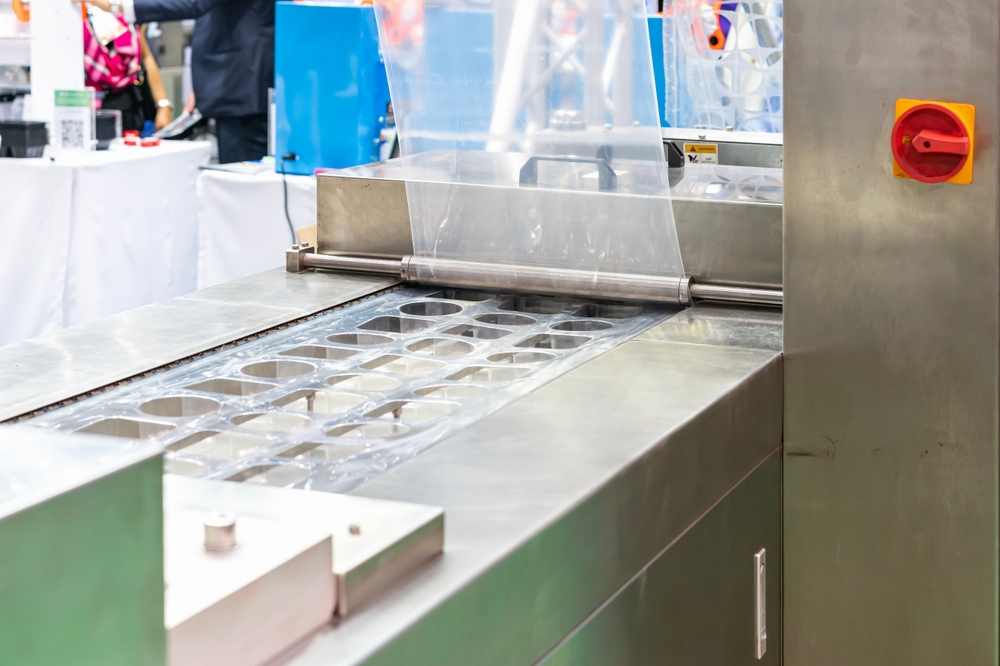
Efficiency in kitting and fulfillment services is driven by a standardized workflow. At Complete Packaging Solutions, we leverage our in-house thermoforming capabilities to create custom trays that act as a “jig” for the assembly line, speeding up the process and virtually eliminating errors.
- Component Receiving: All raw SKUs are received and audited for quality.
- Thermoformed Tray Insertion: Custom-fitted trays are placed into the primary packaging, providing a structural map for the kit.
- Sequential Assembly: Each item is placed into its dedicated cavity in the tray. If a hole is empty, the kit isn’t finished.
- Quality Check: A secondary visual or weight-based audit ensures 100% accuracy.
- Final Boxing and Sealing: The kit is closed, secured, and branded.
- Labeling and Shipping: Real-time integration with your e-commerce platform generates the carrier label for immediate dispatch.
Scalability: Handling Seasonal Spikes and Q4 Surges
The biggest risk of in-house kitting is the “ceiling.” When a promotional campaign goes viral or the holiday rush hits, an in-house team is limited by their physical space and local labor pool.
A 3PL kitting partner provides an elastic supply chain. Because we operate multiple high-speed lines and have an established labor force, we can scale from 1,000 units a week to 50,000 units without your team needing to lease more space or post a single job ad.
In-House vs. 3PL Kitting Comparison
Feature | In-House Fulfillment | 3PL Kitting (CPS) |
Labor Cost | Fixed/Overtime-heavy | Variable (Per-unit) |
Scalability | Limited by physical space | High (Elastic capacity) |
Pick Accuracy | Variable (Manual) | High (Process-driven/Tray-based) |
Packaging Expertise | Limited | In-house engineering & thermoforming |
Management Overhead | High (Internal HR/Ops) | Low (SLA-managed) |
Sustainability: Reducing Waste in Fulfillment
Modern consumers—and retailers—demand more than just a fast delivery; they want a sustainable one. In-house kitting often relies on “one-size-fits-all” boxes and excessive bubble wrap or void fill to protect products.
By integrating custom thermoformed trays into your kitting and fulfillment, you can:
- Right-size the packaging: Eliminate excess air and reduce shipping costs.
- Reduce dunnage: Trays hold products in place, removing the need for plastic peanuts or excessive paper.
- Decrease damages: Better protection means fewer returns, which is the ultimate sustainability win.
Explore how we are helping brands meet these goals in our 2026 Packaging Industry Trends Guide.

How to Switch From In-House to a 3PL Kitting Partner
Transitioning your fulfillment is a strategic move that requires a clear roadmap. Follow these steps to ensure a seamless migration.
Step 1: Map Your Current Kitting and Fulfillment Costs
Analyze your total spend over the last 12 months, including warehouse rent, labor (including taxes and benefits), packaging waste, and “opportunity costs” of your management team’s time.
Step 2: Define SKUs, Kit Types, and Service Levels
Create a detailed list of your kits. Document exactly how they should look (the “Golden Sample”) and define your required turnaround times (SLAs) for peak and off-peak seasons.
Step 3: Evaluate 3PL Kitting Services for Fit
Look for a partner that offers more than just shelf space. Do they have in-house engineering? Can they handle [Link to Kitting Service Page]? Ensure they can integrate directly with your tech stack (Shopify, NetSuite, etc.).
Step 4: Run a Pilot and Compare Performance
Before moving your entire inventory, run a “test” campaign. Compare the 3PL’s error rates, speed-to-ship, and total landed cost per kit against your internal benchmarks.
Benefits of Outsourcing Kitting and Fulfillment
- Reduced Labor Burden: Stop managing temporary staff and overtime schedules.
- Lower Error Rates: Benefit from standardized SOPs and precision packaging.
- Faster Speed-to-Ship: Ship more units in less time during critical sales windows.
- Fixed Unit Economics: Know exactly what your margin is on every kit sold.
- Access to Packaging Design: Utilize custom thermoformed inserts to elevate your brand’s unboxing experience.
- Focus on Growth: Reclaim your team’s time for marketing, R&D, and sales.
Ready to Optimize Your Fulfillment?
If your current in-house operation is struggling to keep up with demand or your margins are being squeezed by fulfillment errors, it’s time for a more strategic approach.
Schedule a Kitting Cost Analysis with Complete Packaging Solutions today. Let’s look at your current specs and show you how a turnkey, U.S.-based partner can streamline your operations and improve your bottom line.
3PL Kitting FAQs
While standard fulfillment focuses on “pick and pack” (grabbing finished goods off a shelf and putting them in a box), kitting and fulfillment involves an assembly stage. This is where multiple separate components are combined into a new, single SKU (a “kit”). This often requires specialized labor, custom assembly instructions, and protective inserts like thermoformed trays to ensure a professional presentation.
Outsourcing converts fixed costs—like warehouse rent and full-time labor—into variable costs. You only pay for the kits we assemble and ship. This eliminates the “carrying cost” of an idle warehouse team during slow months and protects your margins from the high cost of overtime and shipping errors during peak seasons.
Absolutely. Unlike high-volume commodity shippers, Complete Packaging Solutions specializes in the “unboxing” moment. Because we design and manufacture our own thermoformed inserts and custom packaging, we can create a high-end, secure presentation that reflects your brand’s premium positioning while ensuring the product arrives undamaged.
A typical transition takes between 4 to 8 weeks, depending on the complexity of your kits and the integration requirements of your e-commerce platform. This timeline includes the engineering of custom trays, setting up the Bill of Materials (BOM) in our system, and a pilot run to ensure quality standards meet your expectations.
No. In fact, most brands find that visibility improves. By using professional kitting and fulfillment services, you gain access to real-time inventory tracking and digital dashboards. You’ll see exactly how many raw components are on hand and how many finished kits are ready for dispatch at any given moment.
While we serve a broad range of sectors, brands in the DTC beauty, health and wellness, electronics, and subscription box spaces see the highest ROI. These industries typically require high-precision kitting, fragile-item protection, and a “boutique” unboxing feel that is difficult to replicate at scale in a manual in-house environment.