
Every packaging project begins with understanding how products move through manufacturing, fulfillment, distribution and retail environments.
Every successful packaging solution begins with understanding your goals, challenges and operational requirements. We work closely with your team to evaluate your product, manufacturing environment, distribution needs and timeline to develop a strategy built for long-term success.
Our design and engineering team transforms concepts into production-ready packaging solutions. Using industry expertise and advanced design tools, we develop packaging systems that balance functionality, protection, manufacturability and cost efficiency.
Choosing the right material is critical to packaging performance. We evaluate durability, sustainability, product protection, production requirements and budget considerations to recommend materials that align with your application and objectives.
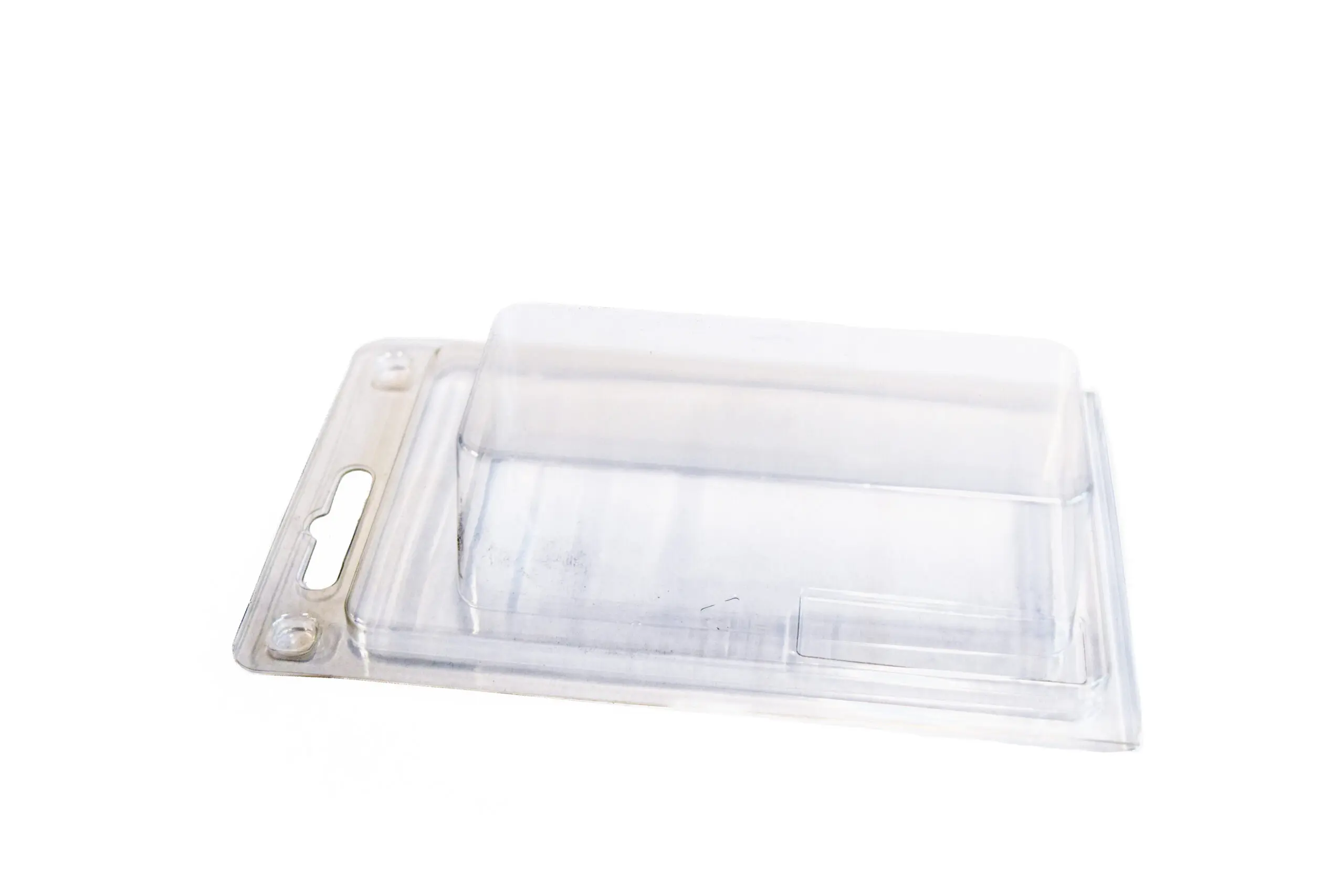
Before moving into production, we create prototypes that allow designs to be tested, refined and validated. This process helps identify opportunities for improvement, reduce risk and ensure confidence before investing in production tooling.
Precision tooling provides the foundation for consistent manufacturing. Our team develops tooling solutions designed to support repeatable quality, efficient production and scalable manufacturing for long-term packaging success.

With design, materials and tooling in place, we bring your packaging solution to life through precision thermoforming and integrated production capabilities. Our manufacturing processes are focused on quality, consistency and real-world performance.
We help streamline the final stages of the packaging lifecycle through kitting, assembly, heat sealing, fulfillment and logistics support. By coordinating these services under one roof, we help reduce complexity and improve speed to market.
We collaborate closely with engineering, purchasing and operations teams to ensure packaging systems support broader production and business goals.
While every project is unique, most custom packaging projects follow a structured process that includes:
Following these steps helps ensure packaging is engineered to support manufacturing efficiency, product protection and long-term operational success.
Consultation allows packaging engineers to understand a product’s manufacturing process, distribution requirements, production goals and operational challenges before recommending a solution. Gathering this information early leads to packaging systems that are designed around real-world applications rather than assumptions.
During design and engineering, packaging concepts are transformed into production-ready solutions. Engineers evaluate product dimensions, manufacturing workflows, material requirements, shipping conditions and retail objectives to develop packaging that balances functionality, manufacturability and cost efficiency.
The right material affects product protection, manufacturing efficiency, durability, sustainability and overall packaging performance. Selecting materials early in the process helps ensure the package is compatible with production requirements while supporting long-term operational goals.
Prototypes allow manufacturers to evaluate packaging before investing in production tooling. Testing prototypes helps verify product fit, functionality and manufacturability while identifying opportunities for improvement that can reduce development risk and improve production readiness.
Production tooling is essential for creating consistent, repeatable packaging. Precision tooling helps maintain dimensional accuracy, improve production efficiency and ensure packaging performs reliably across low-, medium- and high-volume manufacturing programs.
Once the design has been finalized, materials selected and tooling completed, manufacturing begins. Thermoforming and other production processes create the finished packaging, which may then move into assembly, heat sealing, kitting, fulfillment and distribution depending on the project’s requirements.
Packaging extends beyond manufacturing. Fulfillment and logistics services help prepare products for distribution through activities such as assembly, kitting, labeling, heat sealing and shipping coordination. Integrating these services into the packaging process can improve efficiency and reduce operational complexity.
Successful packaging projects often involve engineering, purchasing, manufacturing and operations teams working together. Ongoing collaboration helps ensure packaging supports production requirements, aligns with business objectives and reduces delays caused by miscommunication or disconnected processes.
A well-defined process helps reduce uncertainty by addressing key decisions in the proper sequence. By validating designs, selecting appropriate materials, developing precision tooling and coordinating production and fulfillment, manufacturers can improve quality, reduce risk and bring products to market more efficiently.
Look for a packaging partner that offers a structured, end-to-end process rather than isolated services. A provider that integrates consultation, engineering, material selection, prototyping, tooling, manufacturing and fulfillment can streamline communication, improve project visibility and develop packaging solutions that perform consistently throughout the entire product lifecycle.